
New Orleans-style seasoning is widely associated with bold, savory and aromatic flavors. For chicken manufacturers, this flavor direction can be used to create distinctive fried chicken and ready-to-cook chicken products.
In Southeast Asia, where fried chicken is already an important food category, New Orleans chicken marinade provides another way for manufacturers and restaurant chains to expand their flavor portfolio.
It can be developed for foodservice, frozen food, restaurant chains and industrial chicken processing.

What Is New Orleans Chicken Marinade?
New Orleans-style chicken marinade is a seasoning solution designed to provide a bold, aromatic flavor profile inspired by the culinary style associated with New Orleans.
Depending on the target product, the seasoning profile may include combinations of:
Savory notes
Garlic
Onion
Pepper
Herbs
Mild or moderate chili
Aromatic spices
The exact formulation can vary depending on the intended application and target market.
For commercial food production, the formulation should be developed according to the actual chicken product and processing method.
Why Use New Orleans Flavor for Chicken?
Many fried chicken products compete within similar flavor categories.
New Orleans-style seasoning provides another direction for product differentiation.
It can be used for:
Fried chicken
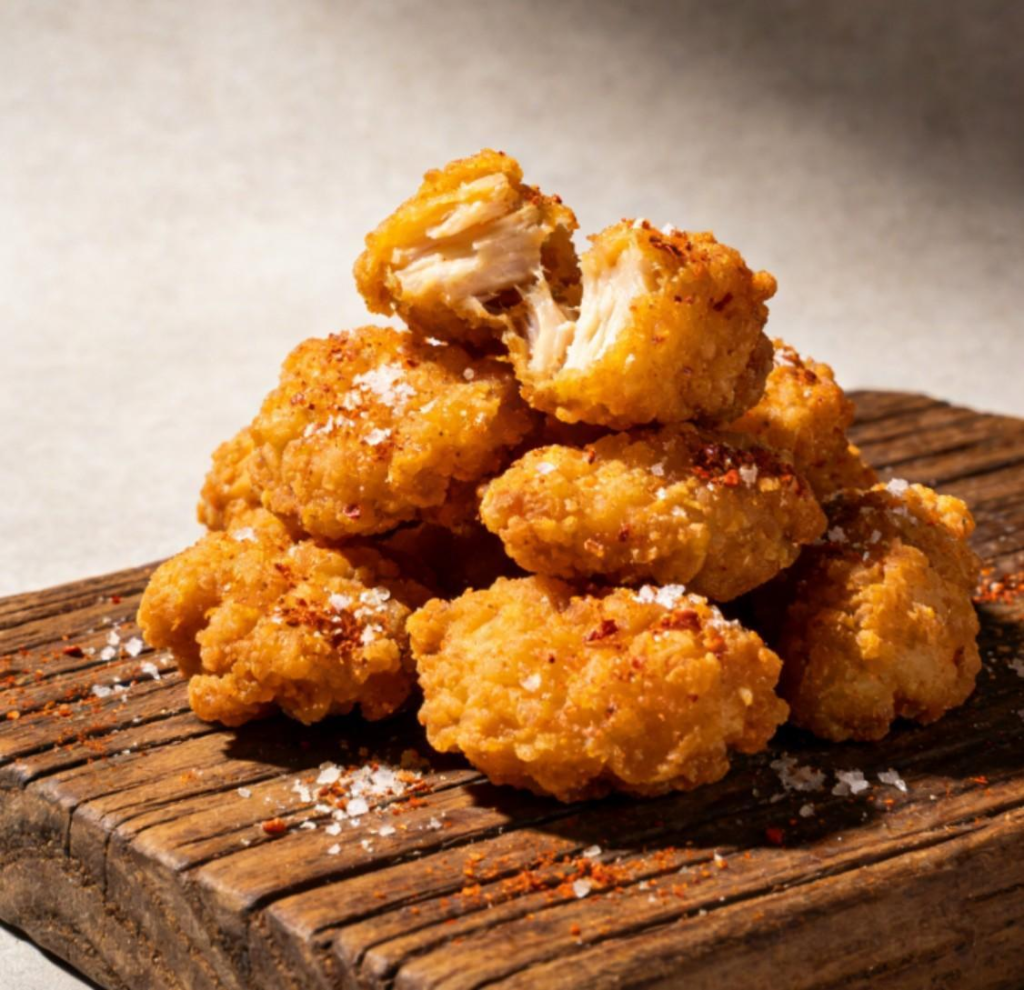
Chicken wings
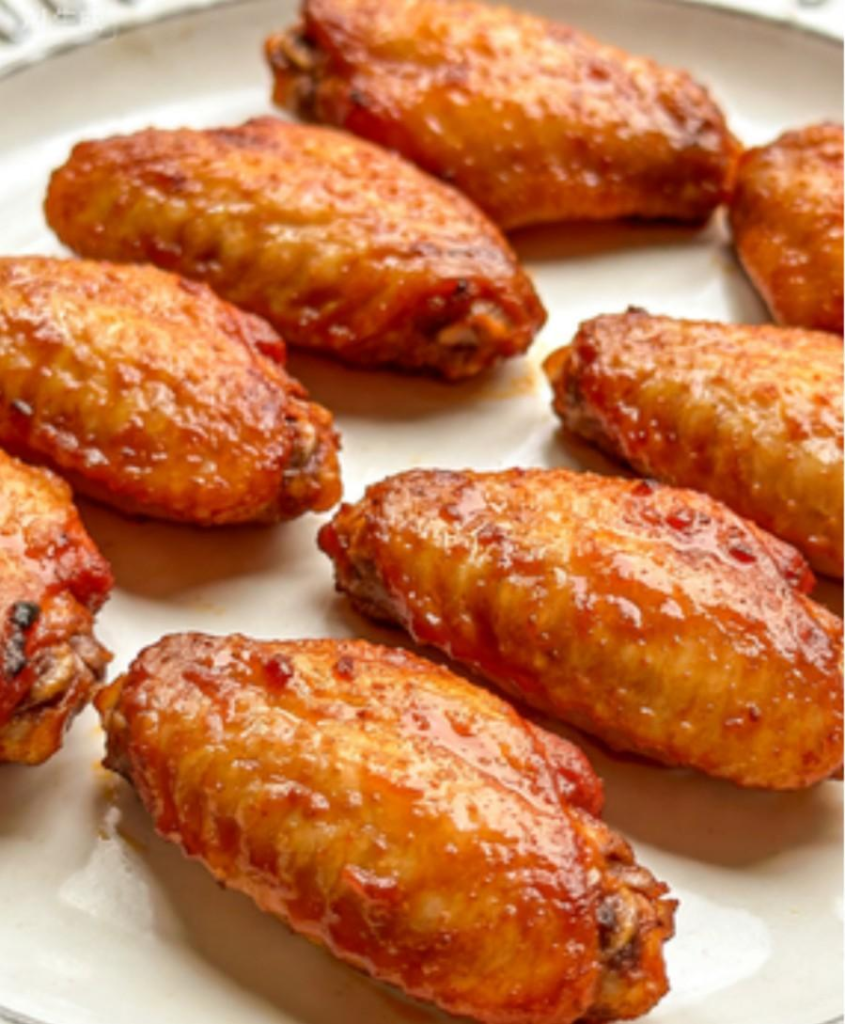
Chicken strips
Chicken fillets
Chicken nuggets
Chicken burgers
Ready-to-cook chicken
Frozen chicken products
This makes the flavor concept suitable for both restaurant menus and packaged food products.
What Should a Food Factory Consider When Developing This Marinade?
The flavor itself is only one part of the product.
Manufacturers should also evaluate the marinade’s performance during processing.
Flavor penetration
The seasoning should provide an appropriate flavor throughout the chicken product.
Texture
The formulation should support the desired eating texture after cooking.
Flavor after frying
Some aromatic characteristics can change during high-temperature cooking, so the final cooked product should be tested rather than evaluating the marinade only before cooking.
Batch consistency
Industrial customers need consistent flavor from one production batch to another.
Process compatibility
The marinade should be evaluated according to the customer’s equipment, marinating method, chicken cut and production conditions.
New Orleans Marinade for Southeast Asia
The New Orleans flavor concept can be adapted for Southeast Asian markets rather than treating it as one fixed recipe.
For example, manufacturers may choose:
A mild aromatic profile
A garlic-forward version
A pepper-forward version
A stronger spicy version
A savory restaurant-style profile
For Malaysia and Indonesia, the final flavor should be evaluated against local consumer preferences and the customer’s target product.
New Orleans Marinade vs. Traditional Fried Chicken Flavors
Traditional fried chicken products often rely on familiar flavor directions such as:
Original
Spicy
Garlic
Black pepper
Barbecue-style
A New Orleans-inspired marinade can provide a more distinctive combination of herbs, spices and savory aromatics.
This can be useful when a manufacturer wants to introduce a new SKU without changing the basic chicken product.
Customized New Orleans Marinade Development
A food factory may have a very specific target:
“We want the product to have a stronger garlic aroma but less chili.”
Another customer may want:
“We want a stronger spicy profile for a Southeast Asian fried chicken product.”
These are different requirements.
Therefore, customized formulation is often more practical than selecting one standard marinade.
The development process can include:
Define the target flavor.
Understand the chicken product.
Review the marinating process.
Prepare laboratory samples.
Conduct cooking tests.
Adjust flavor and processing performance.
Conduct factory-scale testing.
Confirm the final formulation.
YUSHENGJI New Orleans Chicken Marinade
YUSHENGJI provides chicken marinades and seasoning solutions for food manufacturers and foodservice customers.
The company supports customized formulation development based on the customer’s target flavor, product application and production process.
For New Orleans-style chicken products, the formulation can be adjusted around flavor intensity, spice level, aromatic profile and application requirements.
This approach allows manufacturers to develop a product that is inspired by a recognizable flavor direction while still fitting their own market and product positioning.
New Orleans Chicken Marinade Product Ideas
Manufacturers can extend the same flavor direction into multiple products:
New Orleans Fried Chicken
A classic application combining marinated chicken with a crispy coating.
New Orleans Chicken Wings
Suitable for restaurant and foodservice menus.
New Orleans Chicken Strips
Suitable for QSR, frozen food and ready-to-cook applications.
New Orleans Chicken Burger
The marinade can become part of a larger chicken burger flavor system.
New Orleans Chicken Bites
A convenient snack-style product for restaurants and foodservice.
Frequently Asked Questions
What is New Orleans chicken marinade?
It is a chicken seasoning solution inspired by New Orleans-style savory and aromatic flavor profiles.
Is New Orleans marinade suitable for fried chicken?
Yes. It can be developed for fried chicken, wings, strips, nuggets and other chicken products.
Can the spice level be customized?
Yes. The flavor can be adjusted according to the target market and product requirements.
Can a manufacturer develop a private-label New Orleans marinade?
Customized seasoning suppliers can develop formulations for manufacturers and restaurant businesses according to their requirements.
What information should a factory provide when requesting a custom marinade?
The manufacturer should provide the target product, chicken cut, marinating process, cooking method, desired flavor and target market.
Conclusion
New Orleans chicken marinade is a useful flavor direction for manufacturers looking to expand beyond traditional fried chicken flavors.
Its value comes from its flexibility: the flavor can be adapted for different chicken products, spice levels and markets.
For Southeast Asian food manufacturers, the most effective approach is not simply to copy a standard recipe, but to develop a commercially practical marinade that delivers the desired flavor consistently under real production conditions.