
Korean-style fried chicken has become an influential food concept across Asia. Its combination of crispy fried chicken and a sweet, savory and spicy sauce creates a distinctive eating experience.
For Southeast Asian food manufacturers, restaurant chains and food service businesses, Korean sweet and spicy sauce can be developed as a versatile sauce solution for chicken products.
The concept is particularly suitable for businesses looking to introduce a Korean-inspired flavor without completely changing their existing fried chicken products.
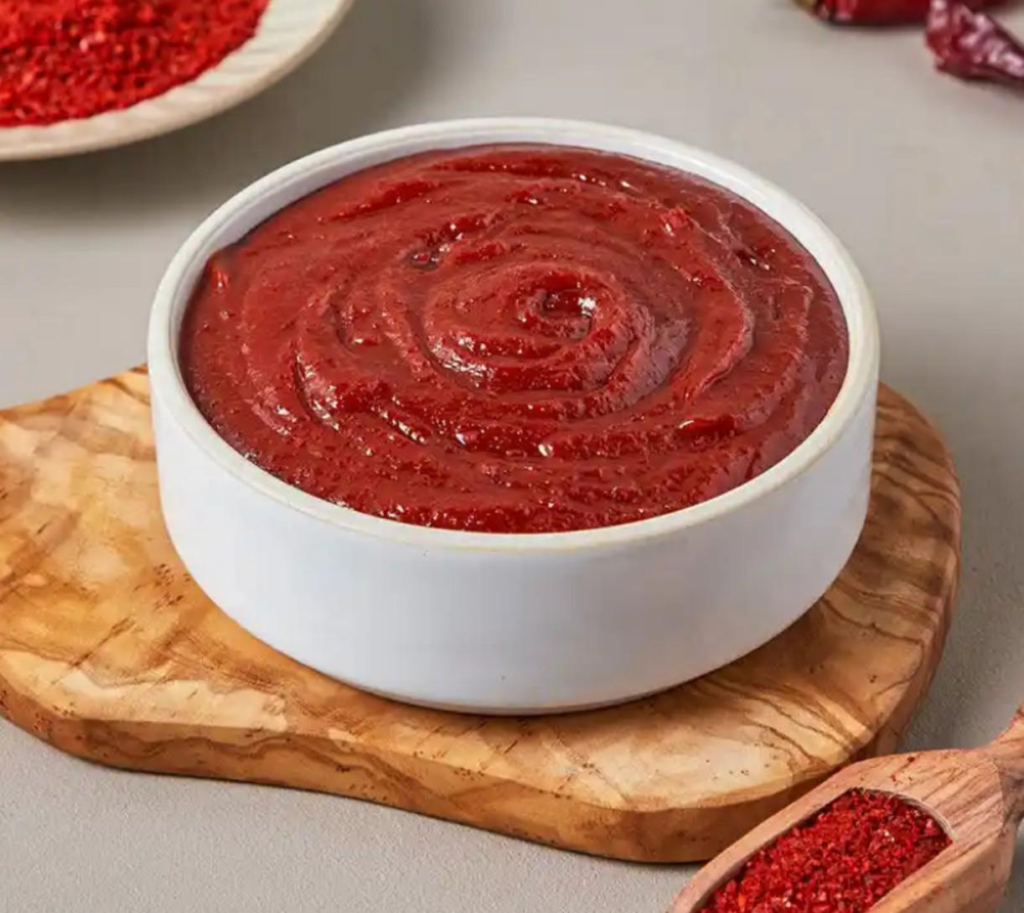
What Is Korean Sweet and Spicy Sauce?
Korean-style sweet and spicy chicken sauce is generally characterized by a balance of:
* Sweetness
* Chili heat
* Savory flavor
* Garlic or aromatic notes
* Rich sauce texture
The exact flavor profile can vary significantly depending on the target market.
For example, a food manufacturer may require a sweeter sauce for one market, while another customer may prefer stronger chili heat or garlic aroma.
This is why commercial sauce development often requires customization.
Why Is Korean-Style Sauce Suitable for Fried Chicken?
The combination of crispy chicken and flavorful sauce provides several product development opportunities.
The same sauce concept can be applied to:
* Fried chicken
* Chicken wings
* Chicken strips
* Chicken nuggets
* Chicken burgers
* Popcorn chicken
* Chicken bites
This allows manufacturers and restaurant chains to develop multiple products around one flavor system.
What Makes a Good Fried Chicken Sauce?
A good sauce should provide more than strong flavor.
Food manufacturers should consider:
Flavor Balance
Sweetness and chili heat should complement each other instead of allowing one flavor to dominate.
Sauce Texture
The sauce should have a suitable consistency for coating, tossing, dipping or filling.
Coating Performance
For sauced fried chicken, the sauce needs to work with the fried coating without creating an undesirable texture too quickly.
Flavor Stability
The flavor should remain reasonably consistent during storage, transportation and serving according to the product’s intended application.
Production Compatibility
The sauce should be suitable for the customer’s filling, mixing, coating or packaging process.
Korean Sauce for Southeast Asian Markets
Southeast Asian consumers have diverse preferences for spicy and savory foods.
This provides room for different versions of Korean-style sweet and spicy sauce.
For example:
Malaysia: A manufacturer may develop a balanced sweet-spicy profile suitable for restaurant and foodservice applications.
Indonesia: The sauce can be adjusted toward a stronger spicy profile depending on the target product and customer preference.
Other Southeast Asian markets: Flavor intensity, sweetness and chili level can be adjusted according to local positioning.
The important point is that “Korean-style” does not necessarily mean one fixed recipe.
Why Food Manufacturers May Need Customized Sauce
A restaurant chain may want a sauce that can be applied directly to fried chicken.
A frozen food manufacturer may need a sauce with different processing and storage requirements.
A foodservice supplier may want a concentrated sauce that can be diluted or processed according to its operation.
These applications can require different formulations.
Therefore, manufacturers should communicate:
* Target product
* Application method
* Desired flavor
* Target sweetness
* Chili intensity
* Packaging format
* Storage conditions
* Production process
to the seasoning supplier during development.

YUSHENGJI Korean Sweet and Spicy Sauce Development
YUSHENGJI develops sauces, marinades, seasonings and coating solutions for food manufacturers and foodservice customers.
For Korean-style sweet and spicy chicken products, the formulation can be developed according to the customer’s target flavor and application.
Possible development directions include:
* Sweet and mildly spicy
* Sweet and medium spicy
* Strong spicy
* Garlic sweet spicy
* Korean-inspired spicy sauce
* Customized restaurant chain sauce
The final formulation should always be evaluated under the customer’s actual application conditions.
How Can a Restaurant Chain Use Korean Sweet and Spicy Sauce?
Restaurant chains can use the same sauce concept across different menu items.
For example:
**Core product: Korean sweet and spicy fried chicken
Extensions:
* Korean chicken wings
* Korean chicken burger
* Korean chicken bites
* Korean chicken rice bowl
* Korean chicken wrap
This provides opportunities to build a broader product family without developing a completely different flavor platform for every menu item.
Frequently Asked Questions
What does Korean sweet and spicy chicken sauce taste like?
It generally combines sweetness, savory flavor and chili heat, often with aromatic notes such as garlic.
Is Korean sweet and spicy sauce suitable for fried chicken?
Yes. It can be developed for tossing, coating or dipping fried chicken products.
Can the sweetness and spiciness be customized?
Yes. Commercial sauce formulations can be adjusted according to the target market and application.
Can food factories develop their own Korean-style sauce?
Yes. A seasoning supplier can work with the manufacturer to develop a customized flavor and application solution.
Can the same sauce be used for different chicken products?
Potentially. The suitability depends on the product, application method and required texture.
Conclusion
Korean sweet and spicy sauce provides Southeast Asian food manufacturers with a flexible way to develop Korean-inspired chicken products.
The opportunity is not simply to copy a Korean flavor. The greater opportunity is to create a sauce that combines the desired Korean-style flavor direction with the taste preferences, production process and commercial requirements of the target market.
For food manufacturers and restaurant chains, customized sauce development can therefore be an important part of new product development.